I’m never sure what to think about parents severely limiting their kids’ media intake past a certain age. On the one hand, there is a lot of trash out there, and a lot of it is probably a waste of time. Teenagers don’t usually have very good taste. Parents worry about their kids playing video games for hours, or rotting their brains staring at screens all day. I can understand those concerns and empathize.
On the other hand… yesterday I was looking through some old notebooks, and I found a few pep talks that I would occasionally write to myself when I felt frustrated about where I was in life. Most of them were just me telling myself to get moving, and they didn’t work very well. One that I found said something along the lines of, “American history is the last school subject you have to finish that you don’t care about.” I had to stop for a minute to laugh. Back then, I thought I was going to be a science person, and I didn’t really like history. What happened?
Unfortunately, anime.
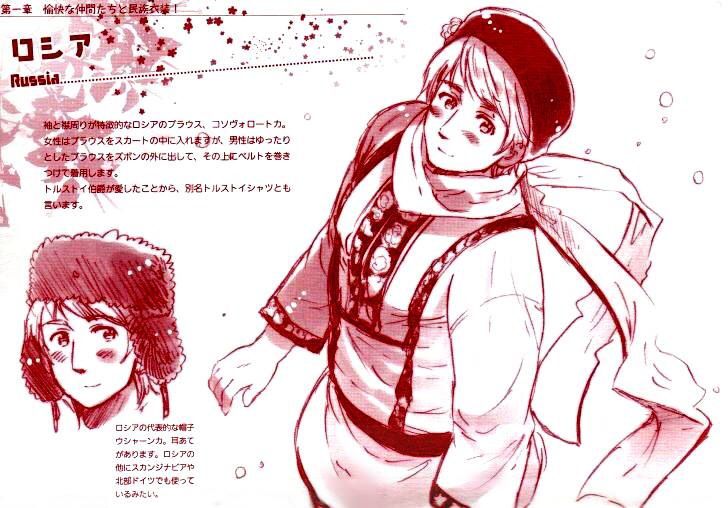
Axis Powers: Hetalia is a webcomic-turned-TV show where countries are personified and characterization heavily relies on stereotypes. It jumps around to different times in history, simplifying historical events using human beings to represent nations, usually for comedic effect. It was an embarrassing time in my life, but it was also pretty life changing.
My brother has always loved history, but I used to have a very hard time with it. It was long and confusing, and I could never keep straight who everyone was and when they were important. It was too abstract for me, and I wasn’t interested.
Then I watched Hetalia, and I started to be able to understand. I could relate to important countries and some of their leaders on a personal level. I could see the conflicts between nations as conflicts between human beings. And, essentially, that’s what they were—real history was more complicated than what was portrayed in Hetalia, and there were many more people involved, but it’s still the study of the actions of human beings. I probably wouldn’t have just gone to Russia if it hadn’t been for this show. I wouldn’t be spending my free time studying history.
As it turns out, a new unschooling friend of mine had essentially the exact same experience. And if it happened to both of us, I’m sure it happened to a lot of other people as well. Hetalia had a very large fanbase at one time, mostly made up of teenagers like I was. There were plenty of jokes about their sudden good grades in history class. And while there were plenty of bad aspects to this fandom, I can’t help but think that’s significant.
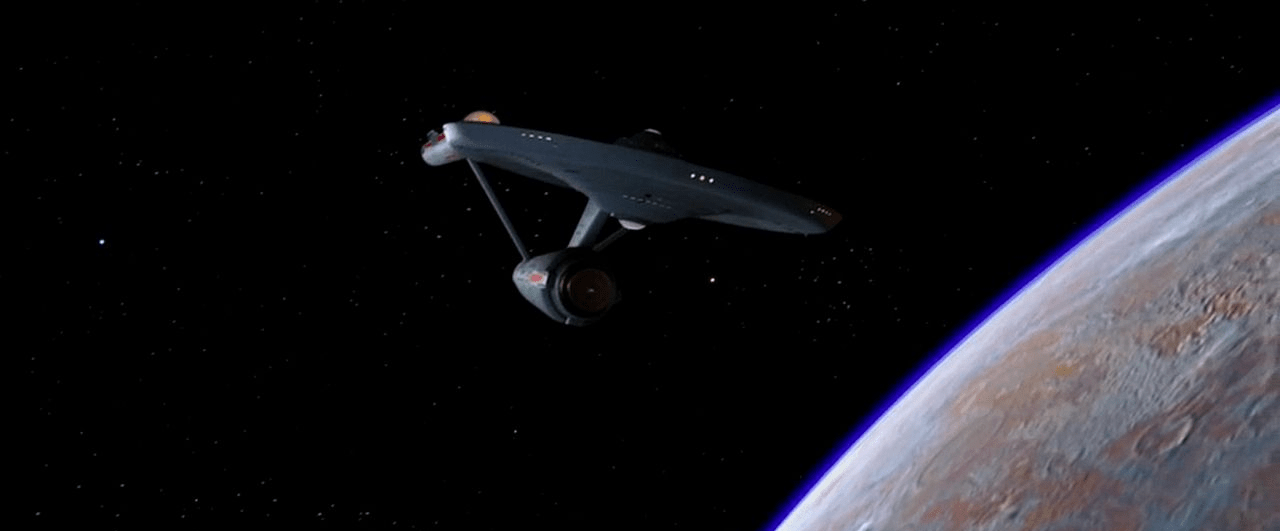
This is actually a fairly common phenomenon. For example, Mae Jemison, the first black woman in space, cites Star Trek’s Uhura as a major inspiration for pursuing a career in space. Many women now in the field of science were first inspired by Dana Scully from The X-Files. These TV shows created an access point, something that sparked their interest more than textbooks and classes ever could, that was enjoyable and easy to understand, and it prodded them to apply themselves and do their own research and exploration.
A popular writer in the unschooling community, Idzie Desmarais, wrote an article I love called The Role of Boredom and Dabbling in Pursuit of Passionate Learning, which mentions the same thing:
When my sister Emilie was young, she was fascinated by Egyptian mythology. Sparked by a love of Yu-Gi-Oh, which takes inspiration from that mythology, Emilie spent lots of time reading about and researching the subject. She’d talk about how different gods changed over time and by region, she made a presentation for a homeschool expo, and when touring the Smithsonian Museum of History in Washington DC, she indignantly pointed out that one of the items in the Egyptian exhibit was mis-labelled. A middle-aged man, acting as a tour guide for his companions, and talking about the exhibits in Cairo that he’d seen previously, looked down at this small child in shock, and said “you’re right.”
This especially resonates with me because I too loved Yu-Gi-Oh and spent a short time in elementary school obsessed with ancient Egypt. To my parents, watching from the outside and seeing my brother and I crowd around a computer screen to watch a new episode, or try our best to play a very confusing card game, it couldn’t have looked like much. And my interest in ancient Egypt didn’t stick long-term. But I had the freedom to explore it.
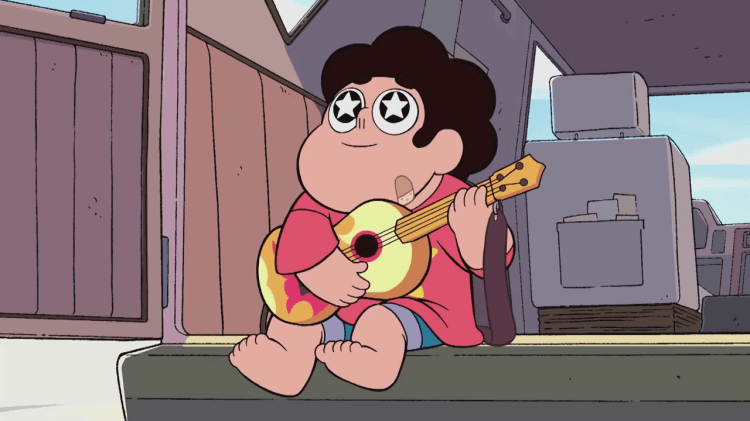
The number of kids who are learning programming, video and image editing, collaboration skills, and who are trying to create valuable content for others because of Minecraft is huge. I know plenty of them personally. My 14-year-old brother just finished reading Homestuck, and now he’s planning his own webcomic. I picked up the ukulele because I wanted to learn to play songs from the cartoon Steven Universe.
All of this is happening because people are consuming media, loving it, and exploring it at a deeper level. That isn’t always going to look like much from the outside. I know I “wasted” a lot of time on Hetalia by watching the series multiple times, writing fanfiction, roleplaying with strangers… My parents gave me the space to do these things. I’m a different person because I had that space, and I think that’s a positive thing. I’ve gotten to compete in history competitions in Dubai, Hong Kong and Virginia against people from all over the world. I’ve visited Russia, and studied a pretty difficult language. I spend my free time reading the letters between two dead presidents for fun. Most likely, none of that would have happened without Hetalia.
It can be concerning to see a kid playing video games all day, or spending hours binge watching TV shows. But kids aren’t inherently untrustworthy. They know what they like. It might not look like much from the outside. Maybe they’ll move onto something else in a few weeks or months. But if they have the space to explore what they like, they might stumble upon something that they really love, and it might change their lives.
And then they’ll be like me, having to come up with a bogus answer to the question, “What made you want to learn Russian?” because they aren’t willing to admit that it started with an anime character they liked years ago.
 Daisy M. Hall
Very interesting perspective Daisy! Thank you for sharing.
LikeLike